Standing - and often shallow - water can be a source of nuisance as outdoor temperatures rise.
In addition to fish death from lack of oxygen, you can also think of water that starts to smell, mosquito infestations and excessive algae growth from warming water.
Especially with water in cities, parks, campgrounds and other recreational areas, the same problems recur every year if nothing is done about prevention. Swimming bans in public recreational waters due to blue-green algae infestation have become the rule rather than the exception.
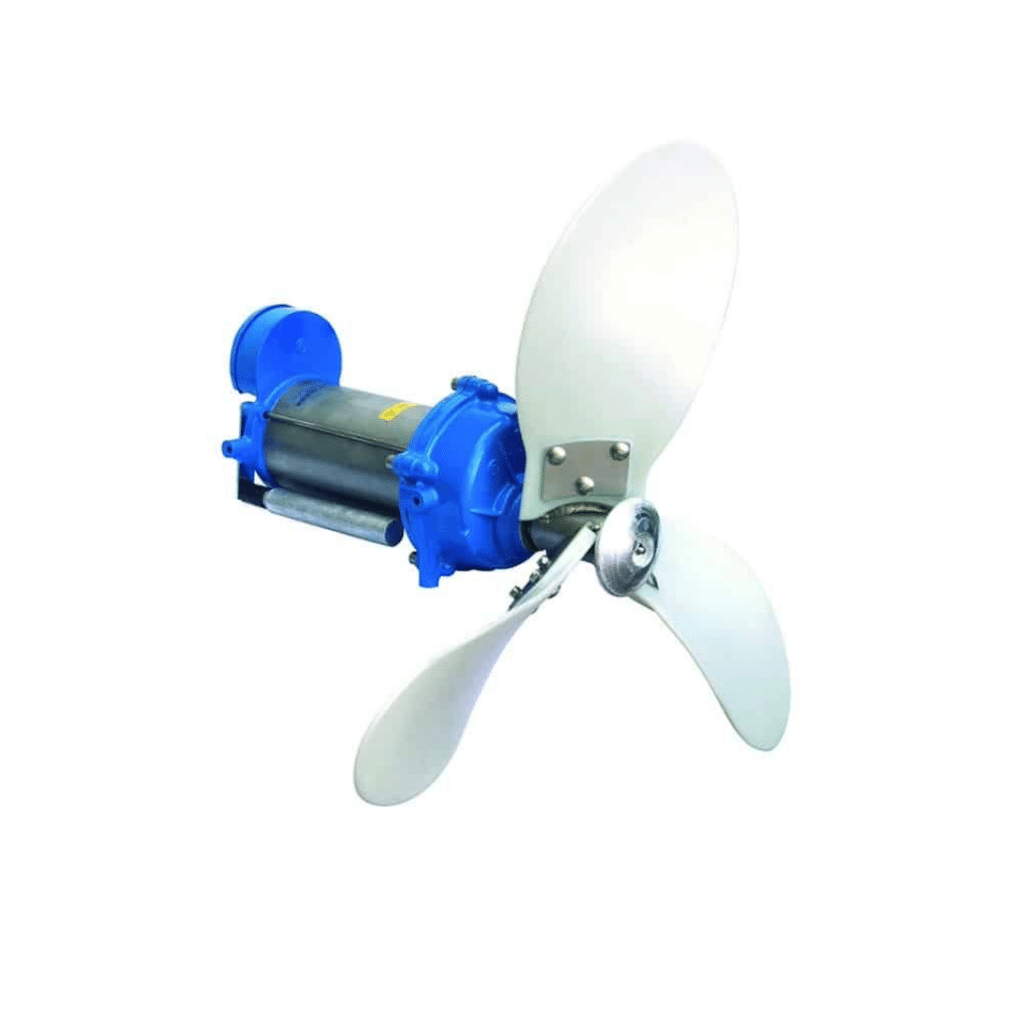
Movement and aeration with mixers and aerators of water is crucial for improving water quality, contributes to better biodegradation of organic substances in the water AND improves oxygenation. Reducing the temperature of the water prevents algae from developing.
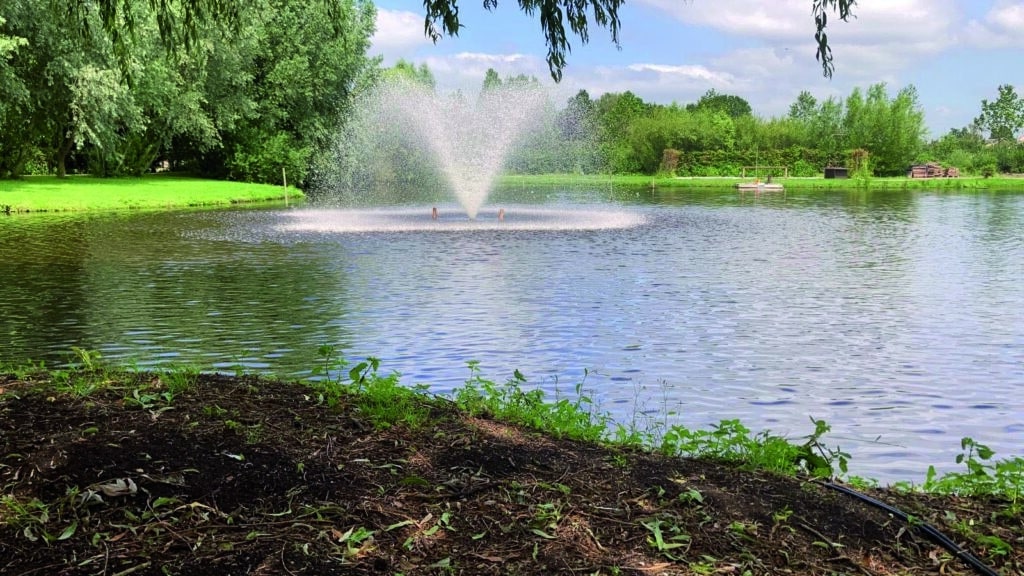
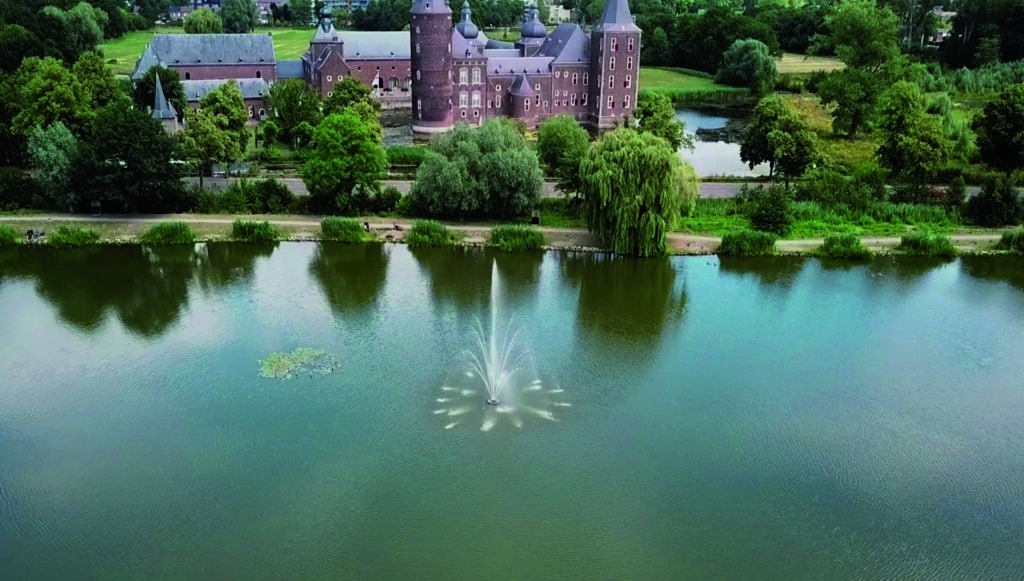
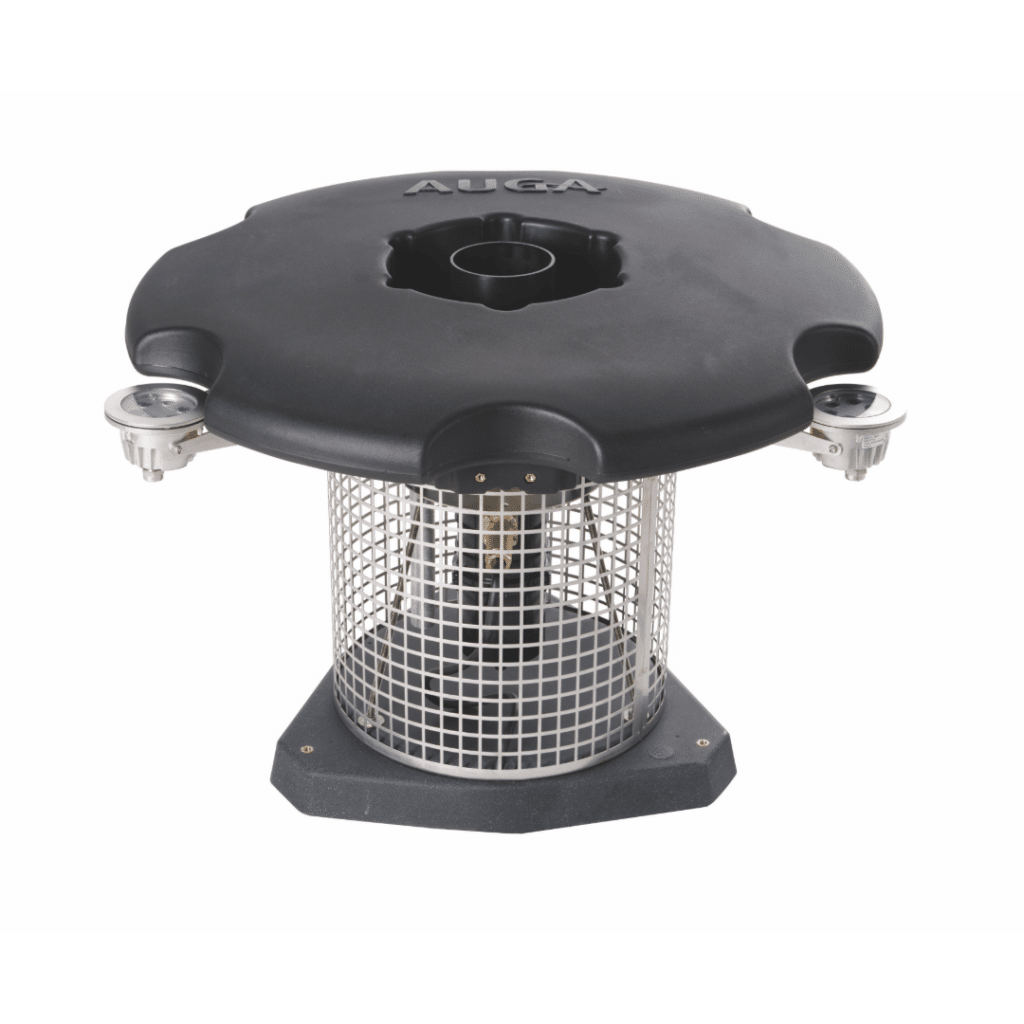
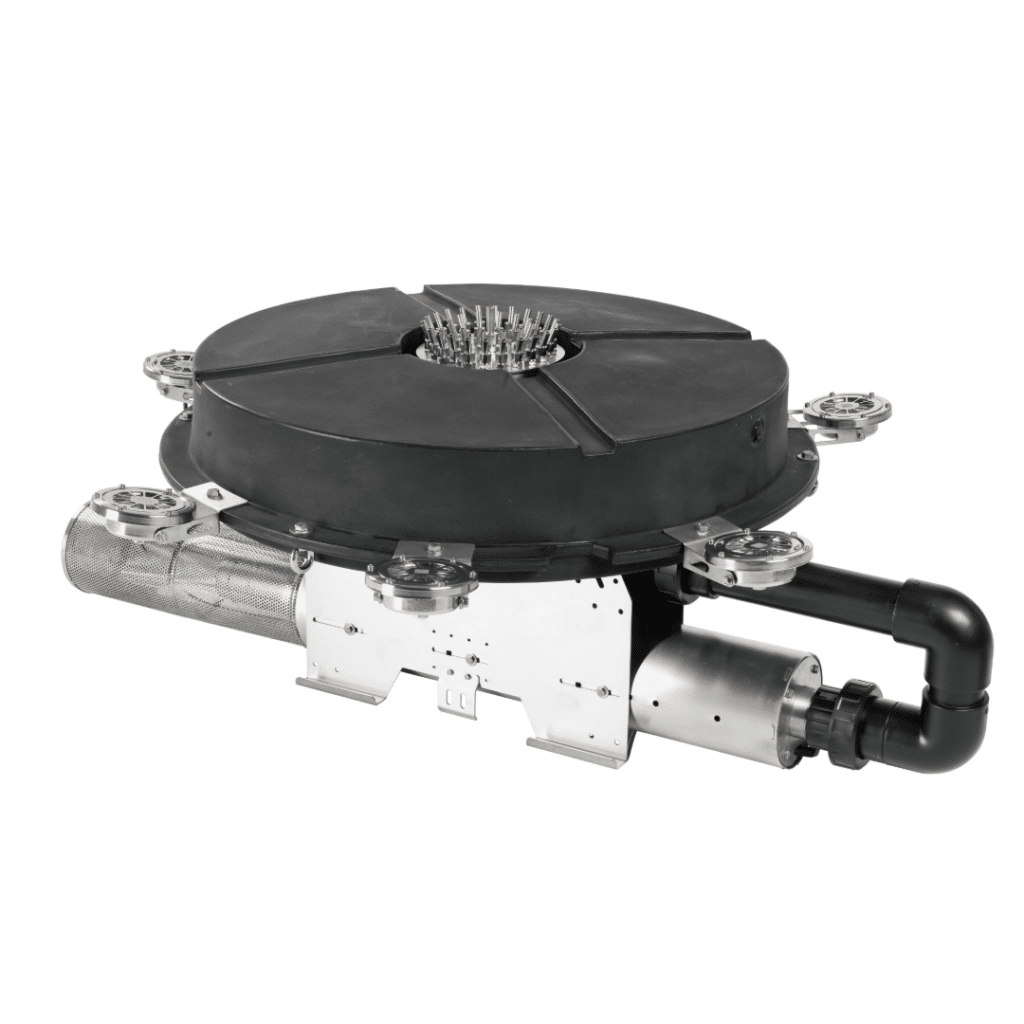
Fountains beautify ponds in parks, cities and private gardens and help improve water quality. Fountain technology focuses mainly on a beautiful fountain image in any desired fountain height, they contribute to water quality to a limited extent. However, specific fountain aerators are also available that make a greater contribution to water quality.
A combination with mixers, which propel stagnant water toward the aeration fountain, is a perfect solution to vitalize water.
Want to know the differences between a fountain and an aeration fountain?