

 Back to categories










Prepare your pond for winter
25 Sep 2025Prepare your pond for winter
Autumn has begun
Its important to prepare your pond for winter. Our first tip: don’t wait too long, but start on time! To help you with this, we have several tips for you.
Preventive measures:
Autumn has begun as a transition into winter; it’s time to prepare your pond. Leaves and debris will accumulate, and that needs to be cleared away! Don’t forget to prune your aquatic plants, perform maintenance, and prepare all equipment for winter.
Don’t wait too long, as the first frost can arrive quickly!
Good preparation for winter ensures that your pond starts beautifully in the spring and prevents frost damage to pumps, filters, pipes, and other installed equipment.
AUTUMN WINTER FROST
 Repeated cleaning tasks
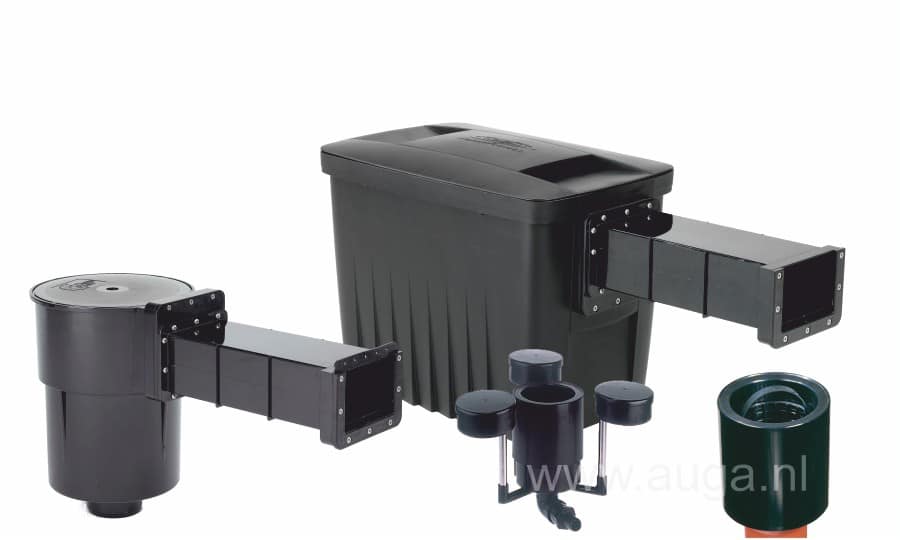
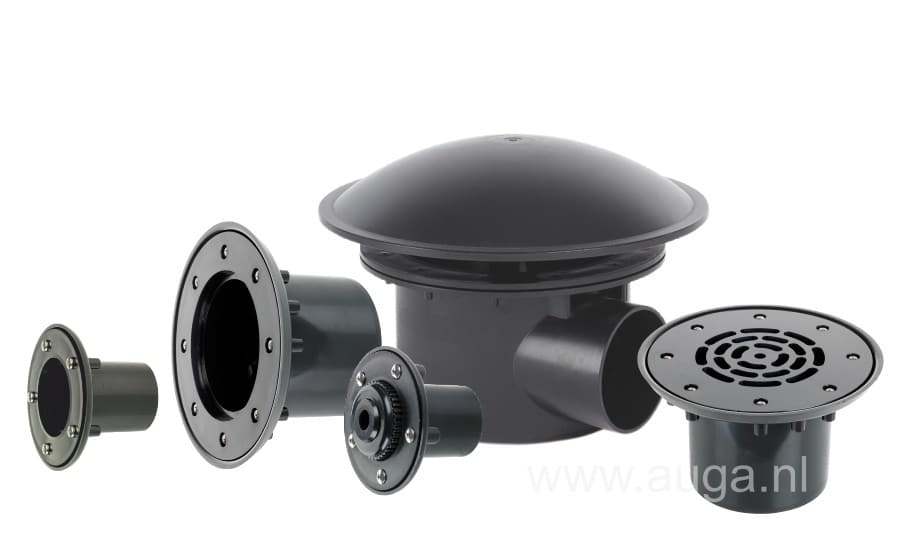
Skimmers, sieves, bottom and wall drains
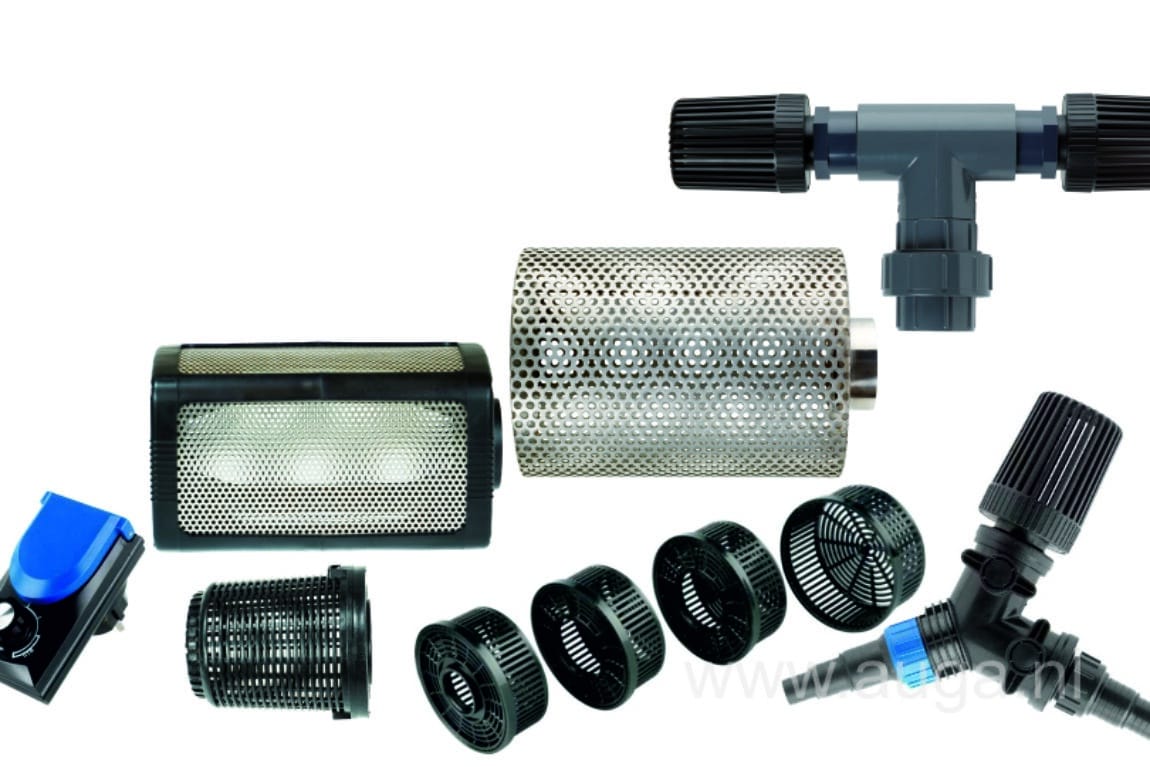
Keep the baskets of the pond skimmers clean, as well as all other inlet points such as bottom and wall drains. Continue to do this as long as leaves are falling into the pond.
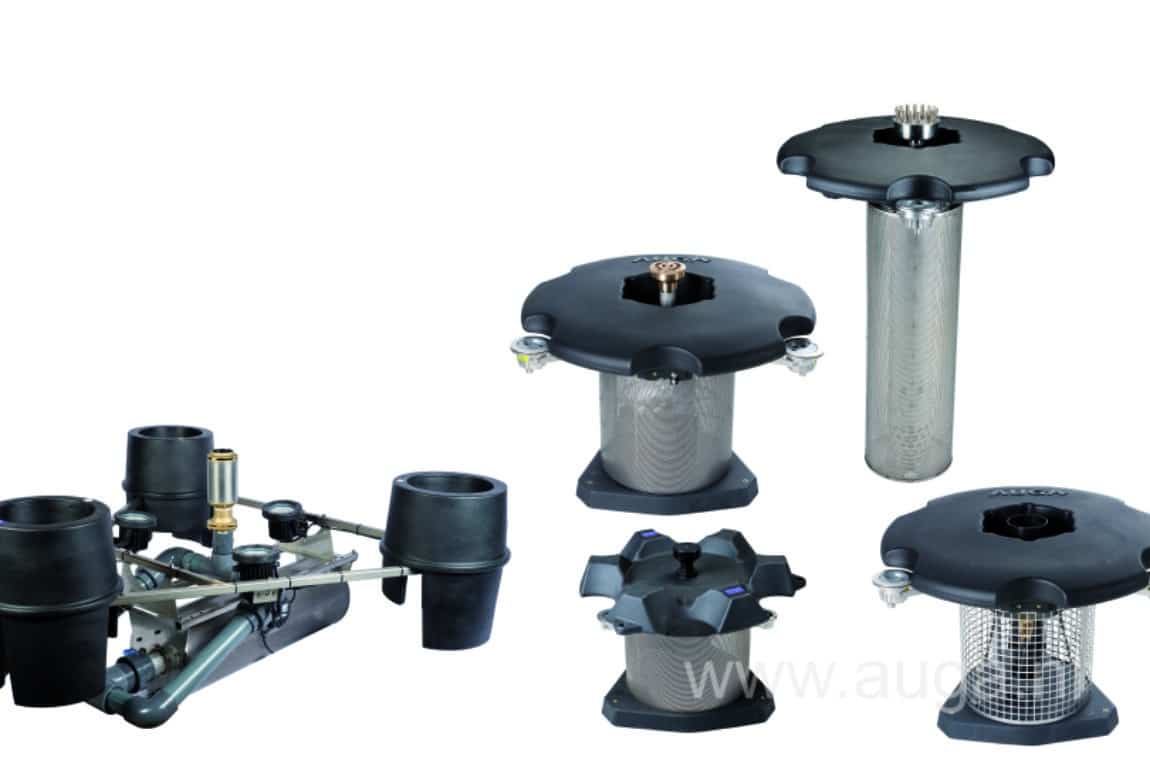
Arch screens and helophyte filters have a lot of work to do in the fall due to an abundance of debris. Keep inspecting and cleaning them as long as leaves are entering the pond. A dirty sieve can hinder the water flow to the pump. If the water supply decreases, a pump can shut down due to its built-in temperature protection and, in extreme cases, even break down, which you want to avoid!
Cleaning the bottom and walls
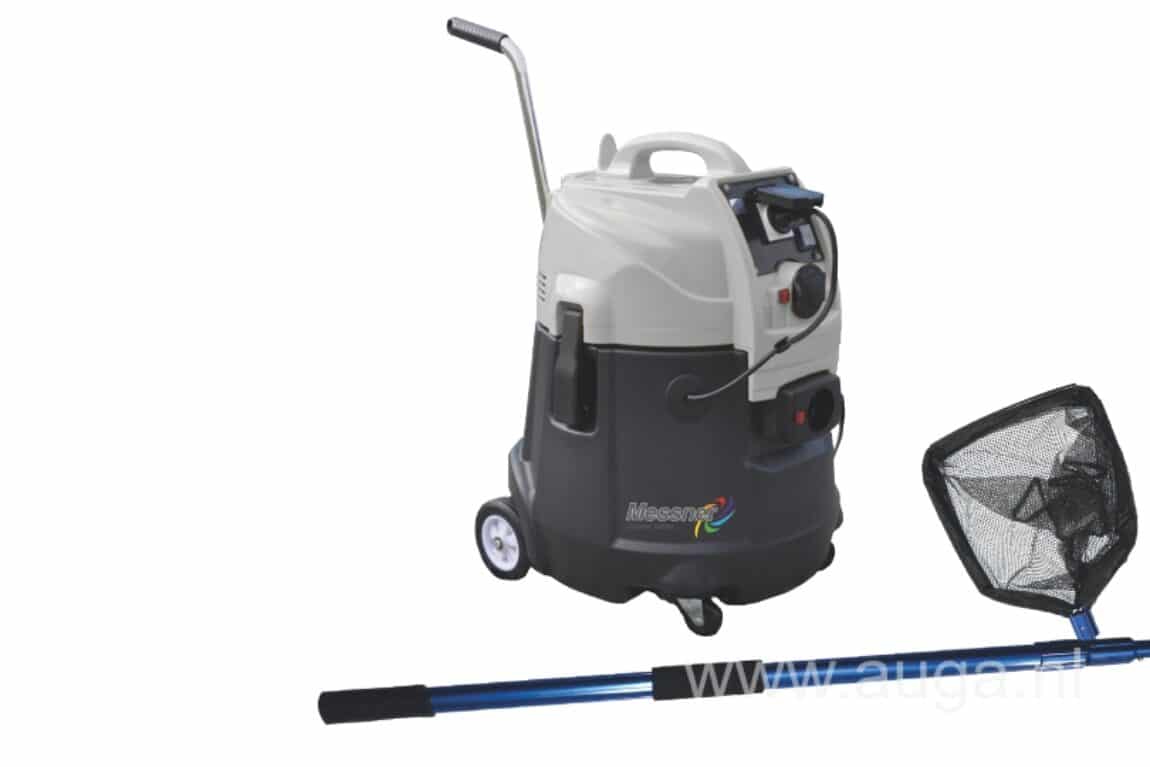
Remove leaves and plant debris from the bottom of the pond, using a pond vacuum if necessary. Deposits on the pond walls must also be removed.
End-of-season tasks
Aquatic plants
Cut back aquatic plants to 5-10 cm above the water level and remove debris from the marsh area. Do not leave this material lying around, as it will rot, which promotes algae growth.
In the spring, clean the lava bed with a natural mineral product, such as Bio Boost or Pond Booster with dirt-removing bacteria, 100% natural mineral products with strong biological activity that neutralize acidification and restore the pH of the soil.
Water quality
Check the GH value (water hardness) of the water, which should remain around GH 12 °. Autumn and winter precipitation can lower the GH value. You can correct this with GH+ agents, because too low a GH value can cause algae growth. A sufficiently high Kh value (8) prevents acidification of the entire pond environment.
 Prevention during prolonged frost
During prolonged frost, there is a risk of water-carrying devices and pipes freezing. Take preventive measures now!
Insulating pipes and equipment with bubble wrap is an option, but does not offer a 100% guarantee. Because the entire biological system is in “winter hibernation,” the technology can usually be switched off.
**Procedure for Shutting Down the System:**
1. Completely turn off the electrical system.
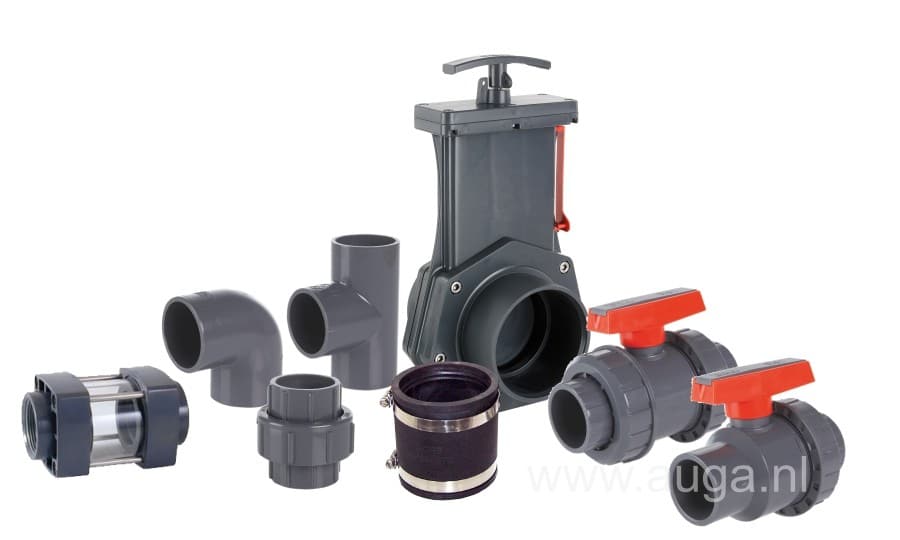
2. Close all valves for supply and return pipes.
3. Lower the water level in the swimming pond to below the level of the skimmers and other wall penetrations in the pond wall where water can freeze.
4. Remove water from all water-carrying devices and pipes.
5. Remove rainwater from the technical pit.
6. Ensure that pipes and devices no longer fill with water, even in light rain.
7. After shutting down, annual maintenance can take place.
 Equipment maintenance
Pond pump
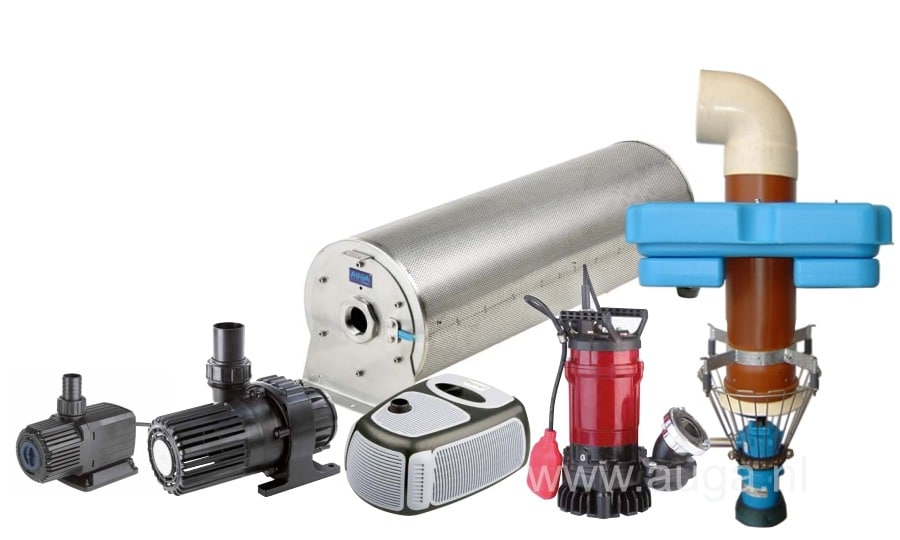
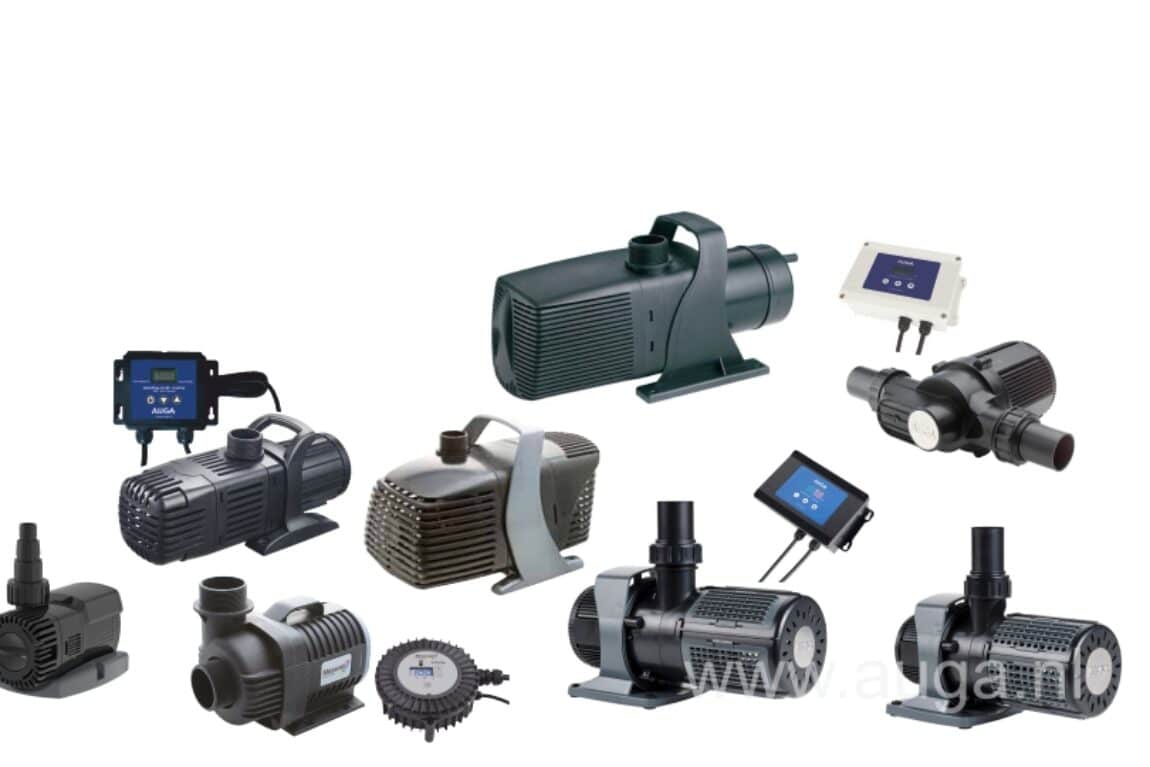
As the water temperature drops, the capacity of pond pumps may decrease. Use an adjustable pump to save energy. Keep the pump running as long as there is no risk of freezing. Flowing water is beneficial for the bacterial culture in the plant filter, helping it survive the winter and allowing for a quicker restart in spring.
UV-C device
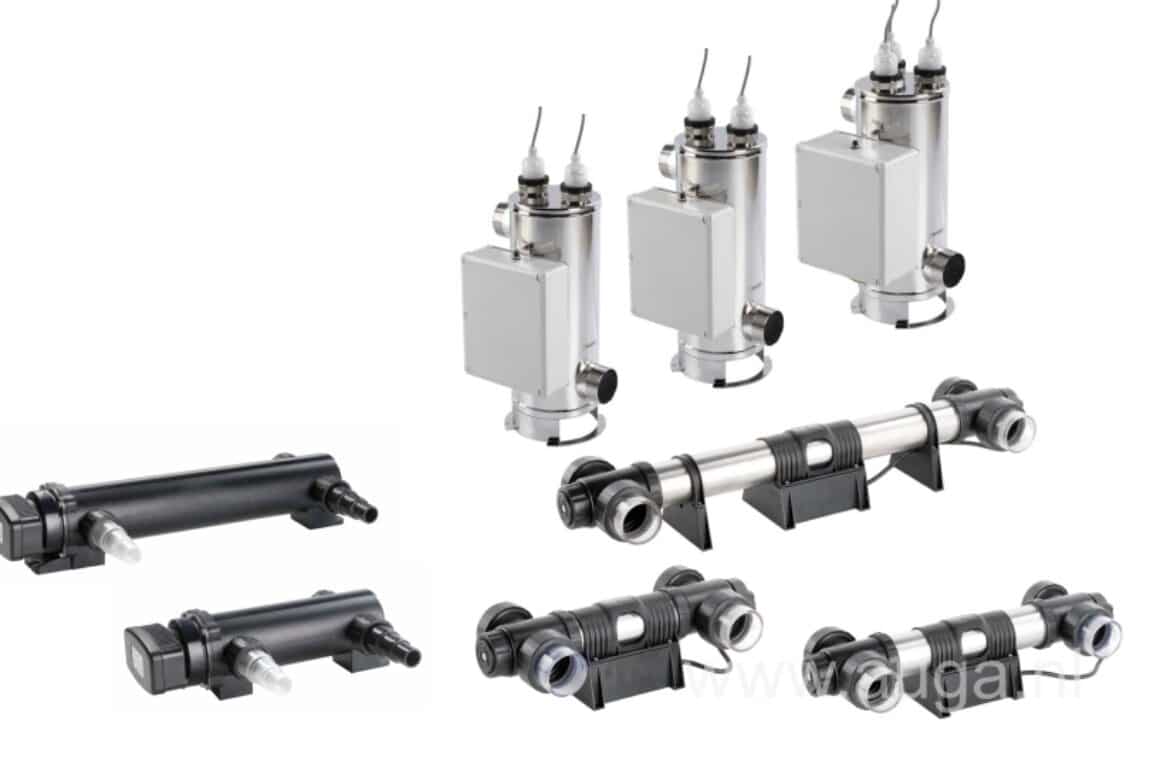
Turn off the UV-C device at low temperatures. This saves energy and prolongs the lifespan of the lamp, which is filled with a special gas to generate UV-C radiation. Its effectiveness decreases after approximately 8000 hours of operation (the gas is depleted). Autumn is a suitable time to replace the UV-C lamp and clean the quartz glass as per regulations. Limescale reduces the effectiveness of the radiation. Note: Use a lamp with the correct wattage in the UV-C unit, as the transformer is calibrated for this. No water left in the housing? Do not disassemble!
Pressure filter
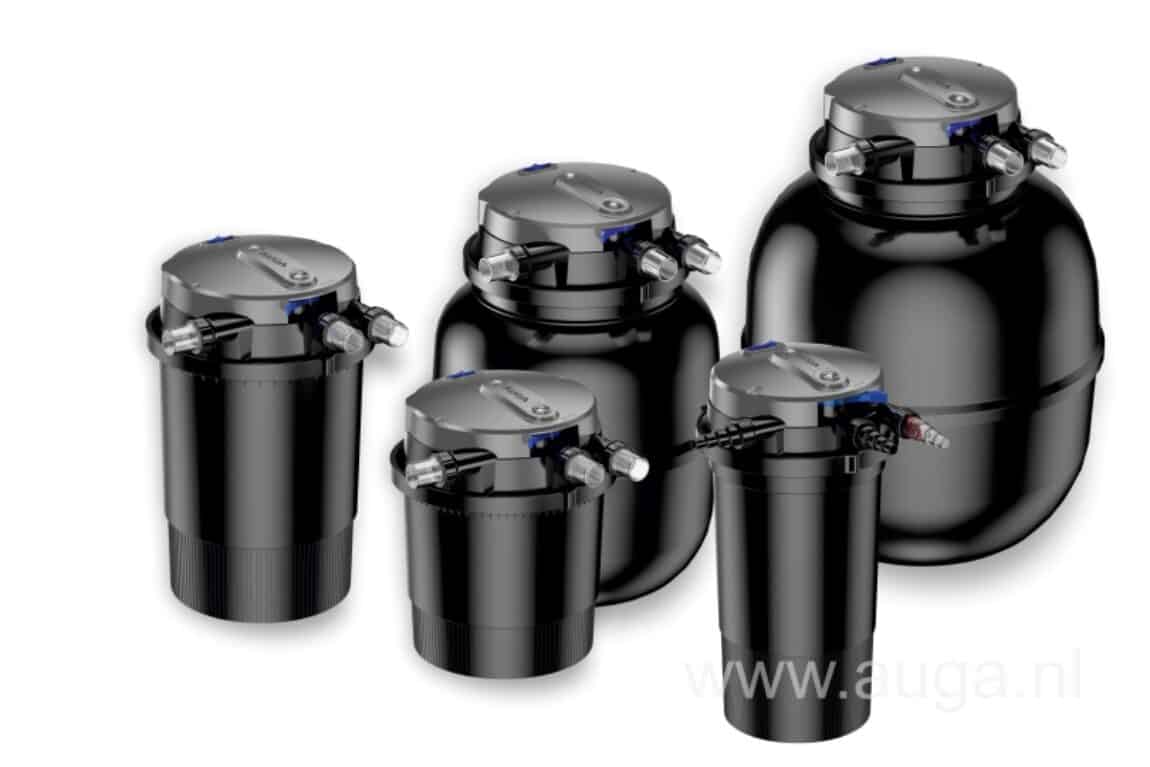
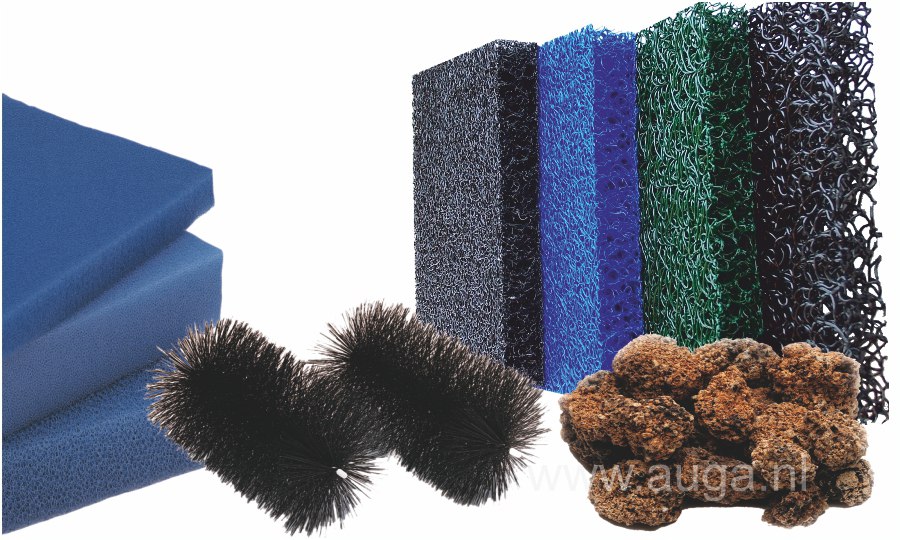
Carefully remove the lid of the pressure filter with the built-in UV-C lamp and the filter sponge pack from the housing. The pack can be heavy if it is heavily soiled. Clean according to regulations and store it dry and frost-free. Remove residual water from the empty filter housing to prevent freezing.
Sieve
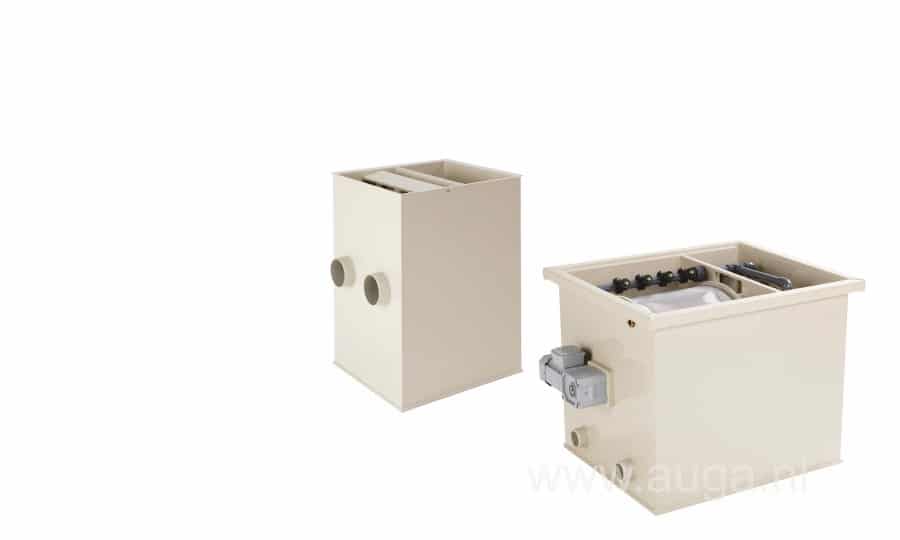
Thoroughly clean the stainless steel screen on both the front and back with a brush and put it back. Remove accumulated debris from the housing and let the residual water drain out..
Drum sieve
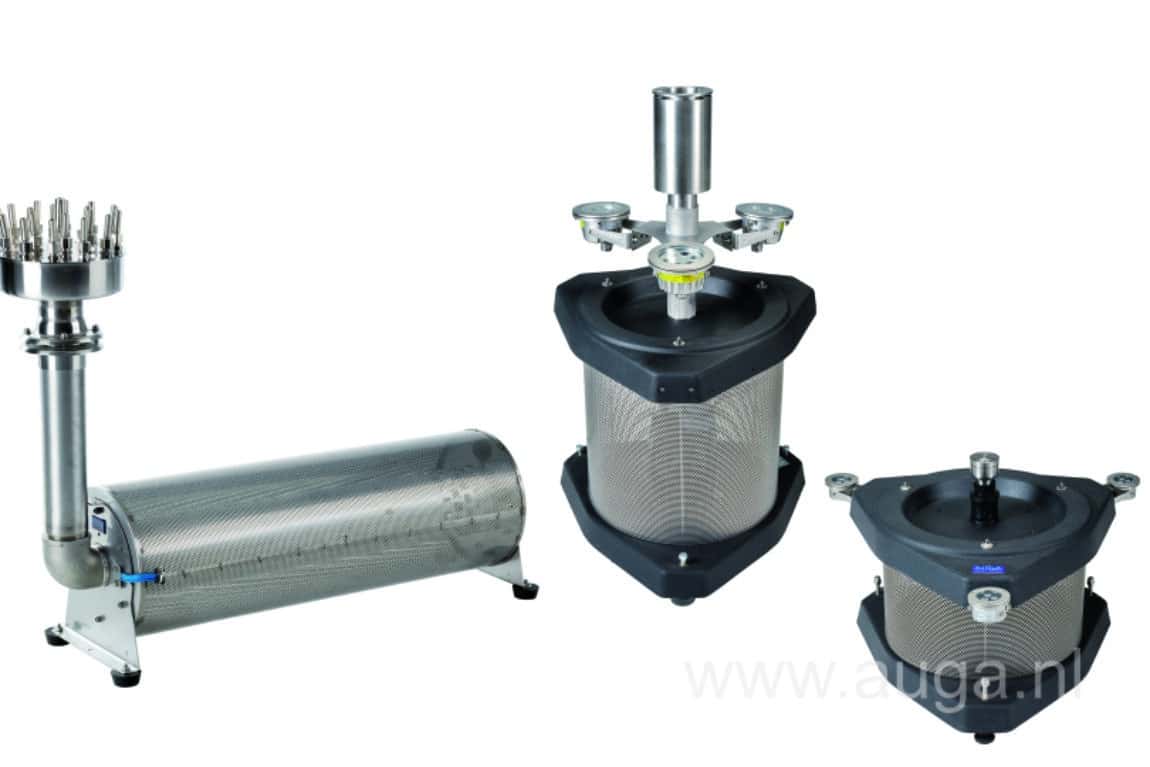
Clean the screen cloth and the water nozzles. Let the residual water drain out of the drum screen.
Air pump
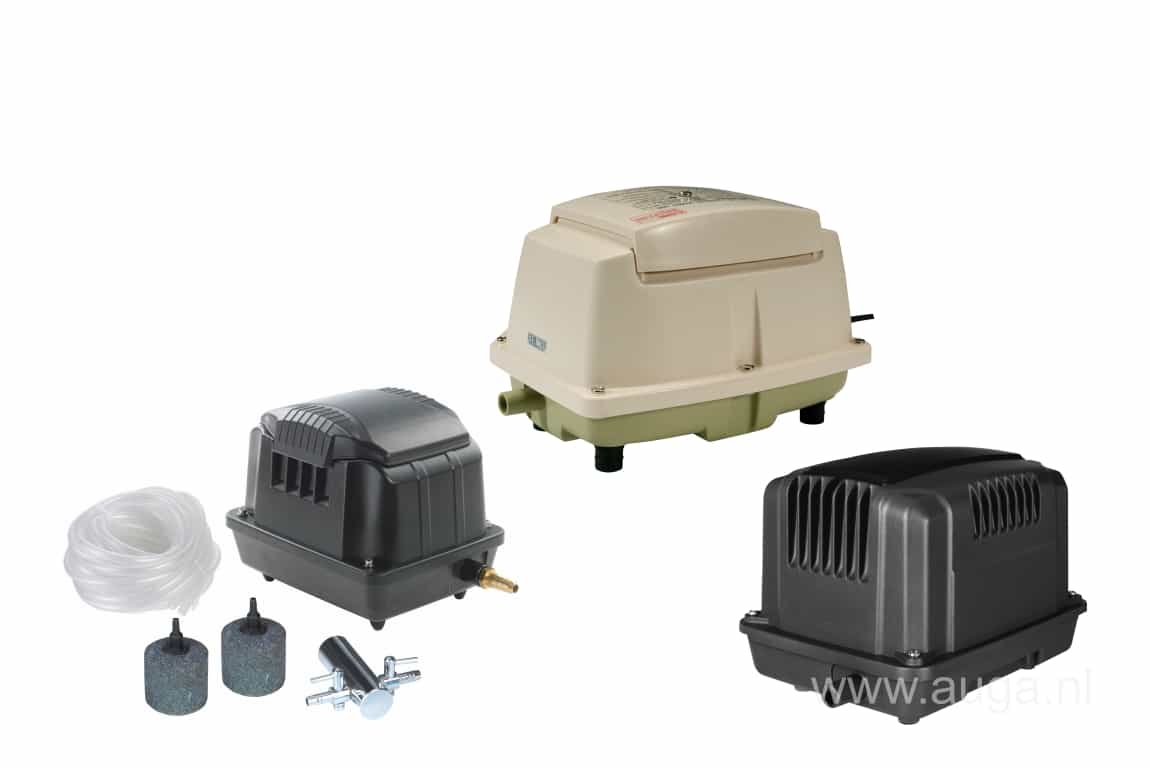
Check the air filter of the air membrane pump. This filter is located under a removable cover or mounted under the pump. Replace the air filter if necessary, for example, if the rubber membranes are worn. Store the air pump in a dry and moisture-free place. If possible, remove above-ground air hoses and store them dry.
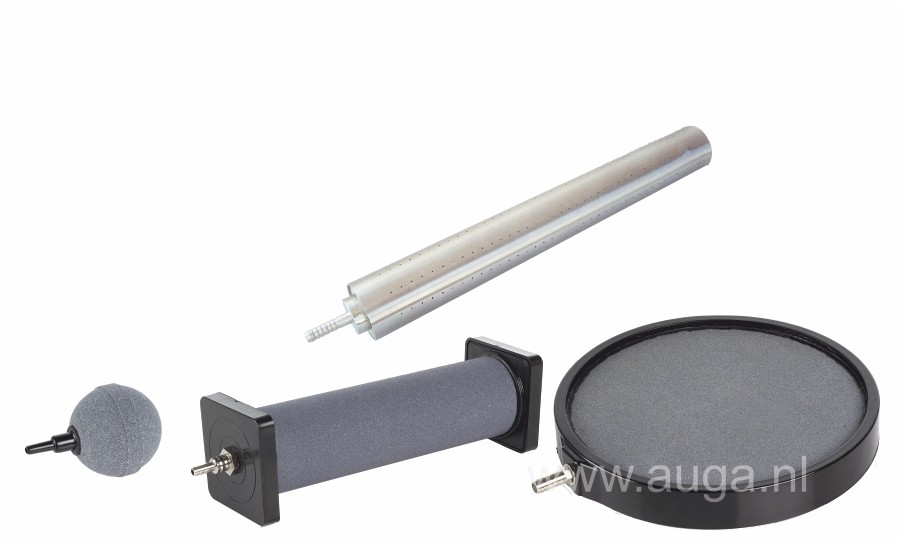
Porous air stones cannot be cleaned. If airflow decreases, it is advisable to replace them. The pump will have to work harder to push air through the stones, which accelerates wear on the rubber membranes.
Built-in lighting
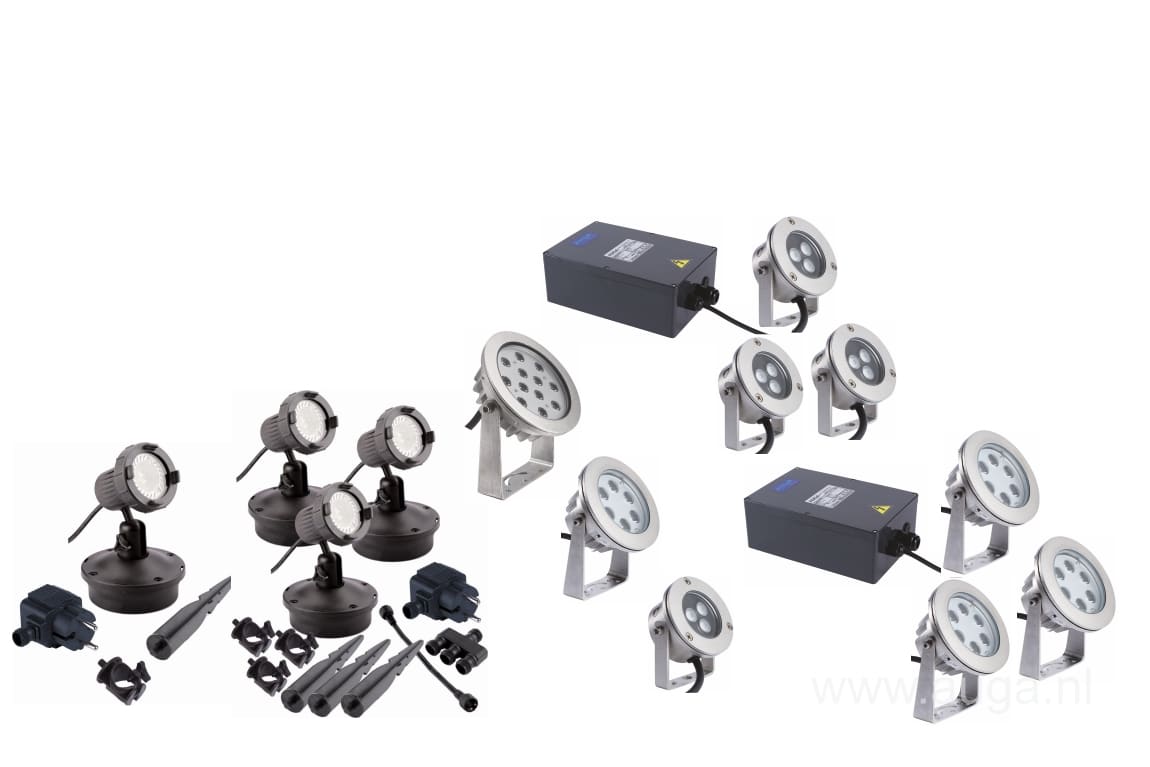
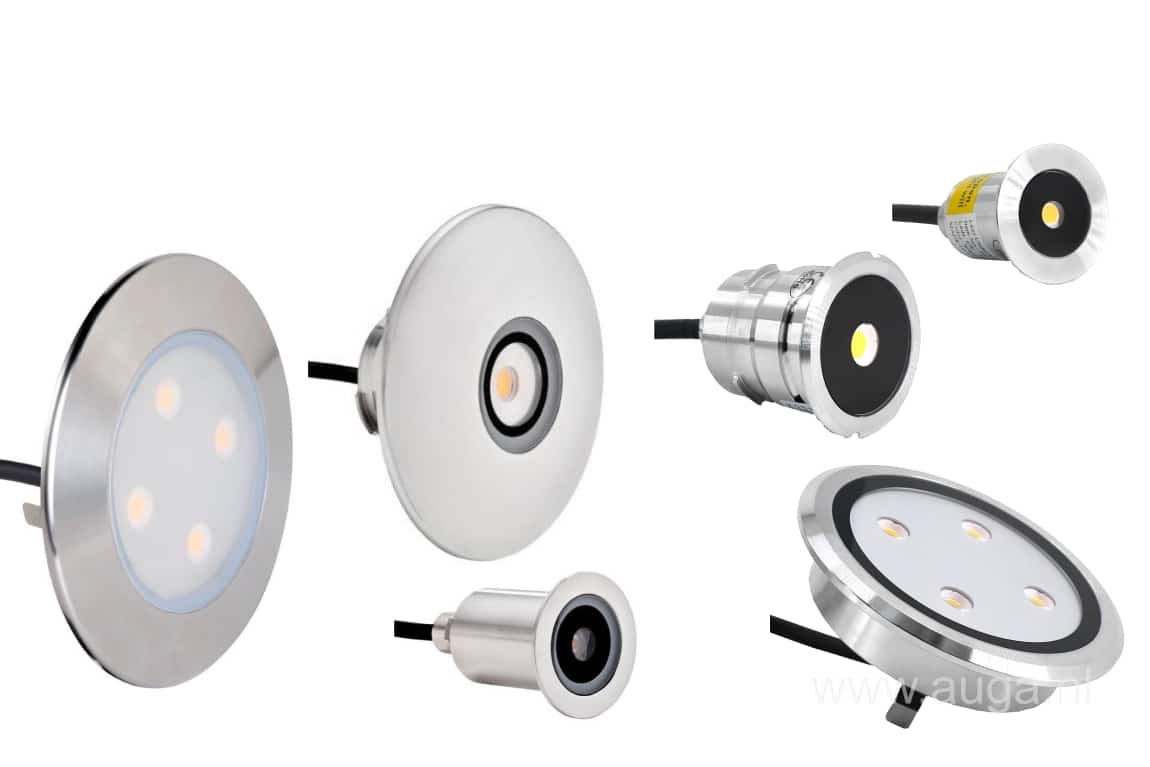
Built-in wall spotlights can remain in place, as ice formation in the pond exerts less lateral pressure. Remove any algae from the glass. Swimming pond lighting provides a cozy atmosphere in winter.
Water supply
Shut off the water supply to prevent freezing of the faucet/float seal. Remove residual water from the pipe and float housing.
Would you like more information? Please ontact AUGA.
Please note that further developments and technical changes are reserved. The maintenance recommendations for technical equipment are based on AUGA products and should not be automatically adopted for other products/brands. No rights can be derived from these recommendations.
Publication Date: September 25, 2025
Errors and omissions excepted.