
 Terug naar categorieën











Everything you want to know about a pressure filter
What is a pond pressure filter and why do you need a filter?
A clear and healthy pond is the dream of every pond enthusiast. Whether you have a small ornamental pond or a larger garden pond, well-filtered pond water is essential to prevent algae, turbidity, and poor water quality. One of the most popular and efficient systems to keep your pond water clean is the use of a pond pressure filter. But what exactly is a pressure filter? And why is it important to use a pond filter?
What is a pond pressure filter?
A pond pressure filter is a closed filter system where the pond water is pumped through the filter under pressure. This is in contrast to traditional flow-through filters, where the water flows through the filter by gravity. The pond pump pushes the water through various filter media such as filter foam and biological filter material. Thanks to this pressure, the water can go through several filtration steps and even be pumped upwards after filtering, offering great flexibility in creating waterfalls or streams.
How does a pressure filter work?
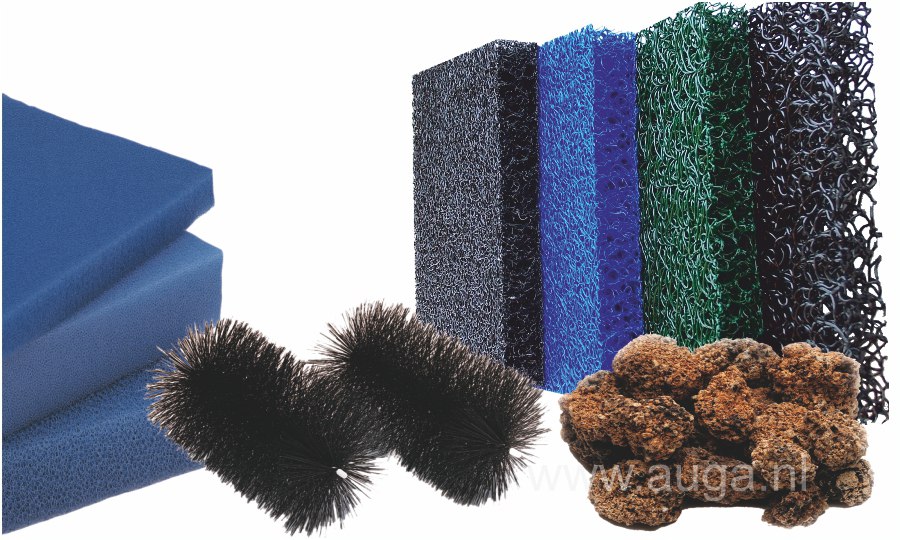
The water from your pond is first pumped through a filter foam package that captures all coarse debris, such as leaves, twigs, and fish waste. Then the water flows to biological filter material, such as BioCell or BioBall, to which beneficial bacteria adhere. These bacteria break down harmful substances like ammonia and nitrite, which would otherwise be toxic to fish and plants.
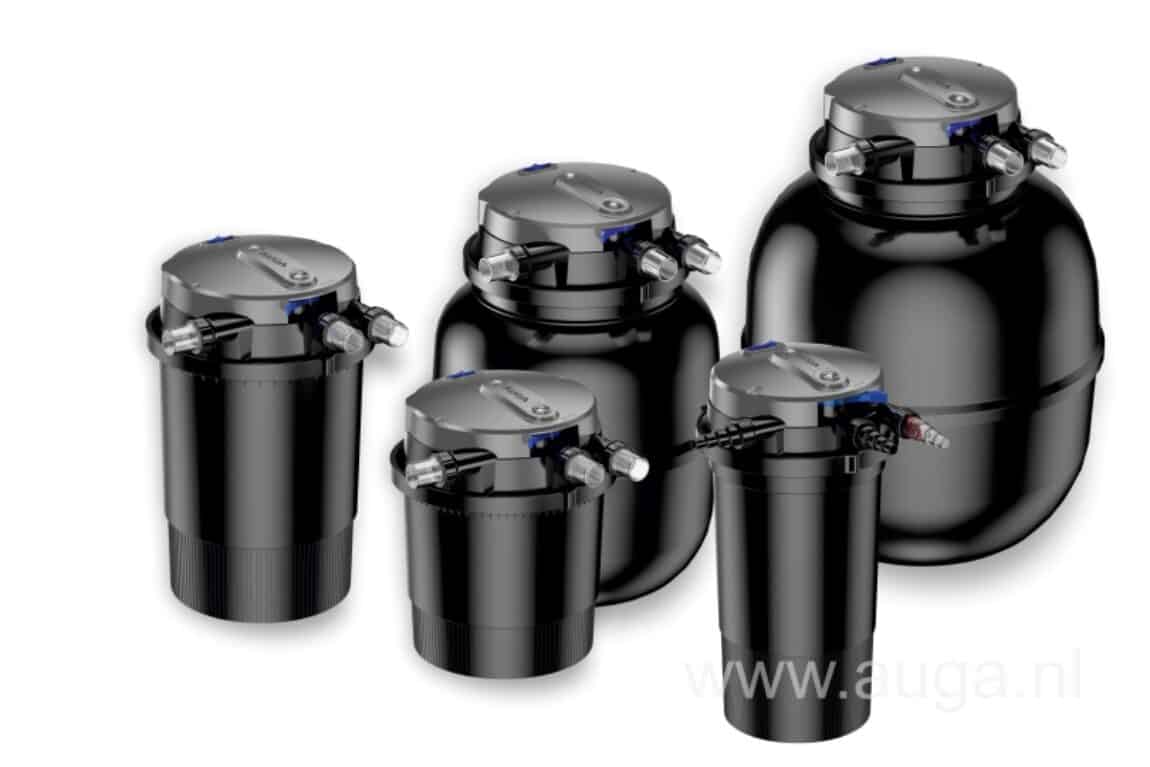
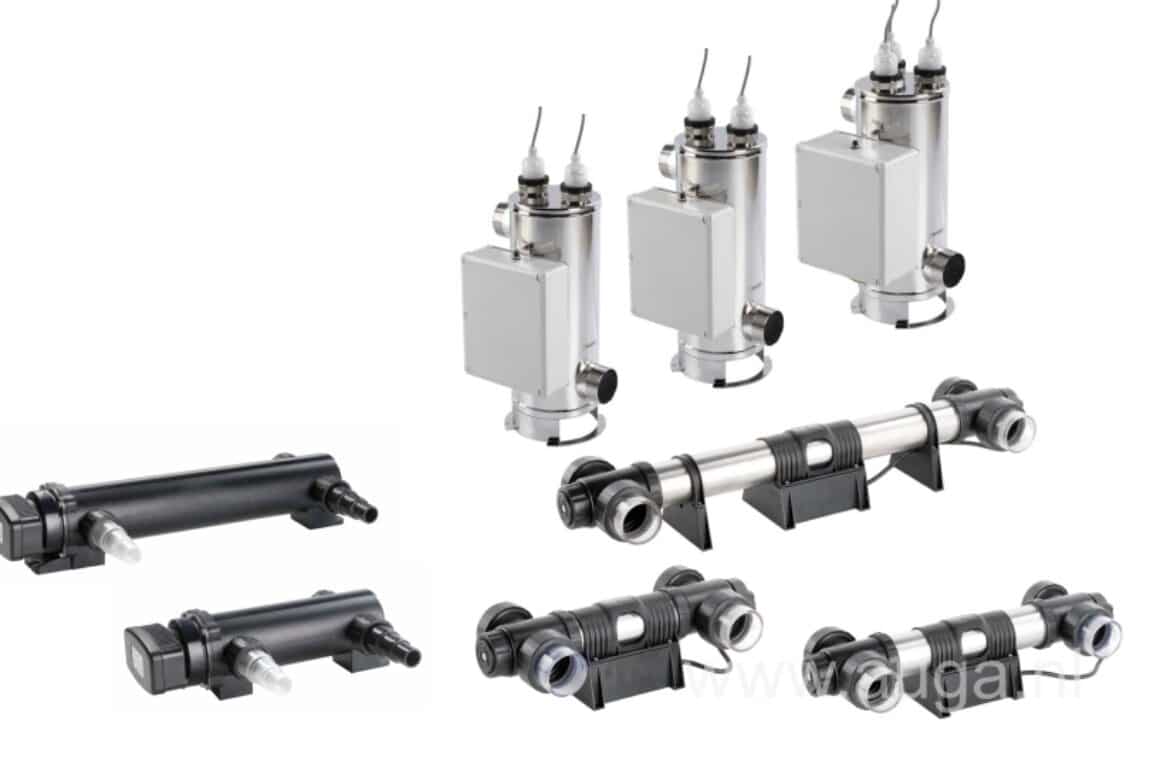
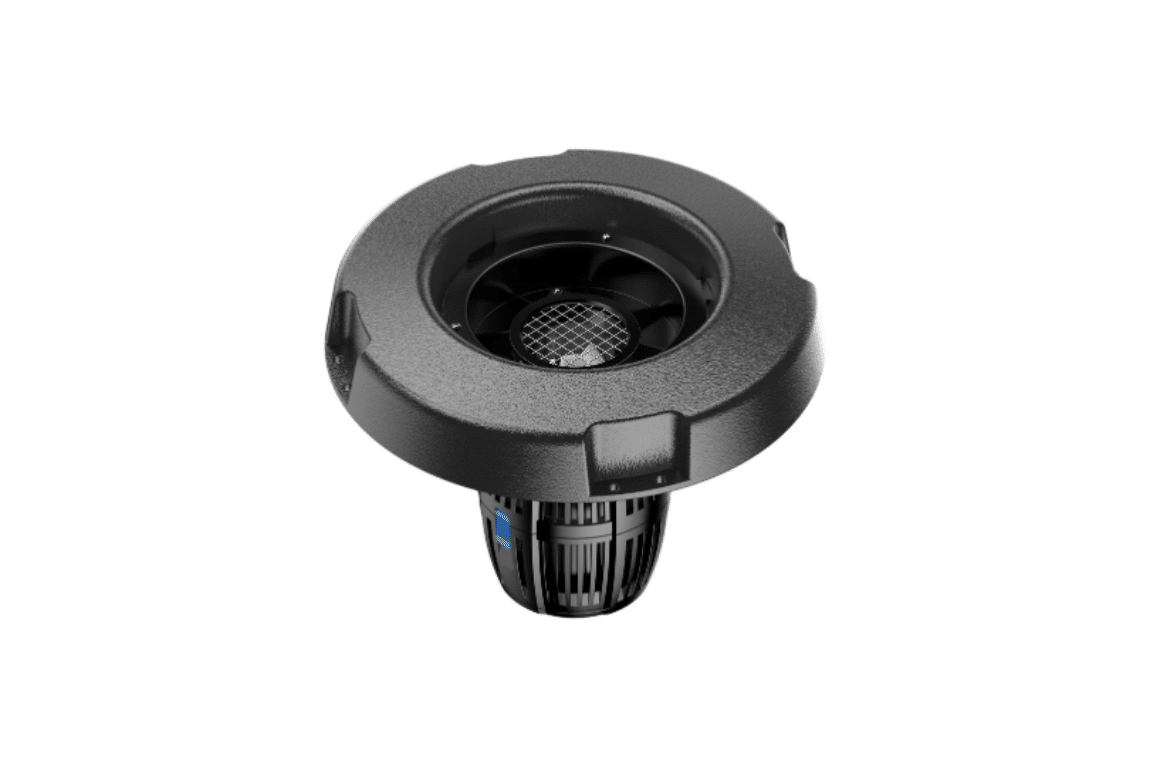
The VarioPress Pro-E series from AUGA® is equipped with an electrically driven backwash system. This makes cleaning the filter package easy and quick, without having to open the filter. The purified water is returned to the pond via the built-in UV-C lamp. This UV-C lamp kills floating algae and pathogens, ensuring clear and healthy water.