
 Terug naar categorieën










Building a swimming pond yourself, or is it better to outsource?
Swimming ponds have already become a trend in our neighboring countries, which has now fully reached our country. Who wouldn’t want to swim in naturally purified water in their own garden?
The order book is full for most contractors well into the year.
Where there is growth, the number of contractors with the same growth curve also increases. If you can create a pond, a swimming pond is indeed a nice addition to your website’s reference list.
However, the knowledge and skills required for this demand a wide range of disciplines, which not everyone possesses. This starts with a permit check.
In fact, anyone is allowed to build a swimming pond in their private garden. While everything for electrical home installations and construction projects is neatly documented in Nen standards, the construction of private swimming ponds seems to be outside the law.
But that is certainly not the case! The main contractor has to deal with earthworks, electrical installations, knowledge of filtration technology, foil processing, and installation technology, for which he is responsible. Within these disciplines, there is certainly legislation that must ensure the safety of the user.
Where water and electricity meet
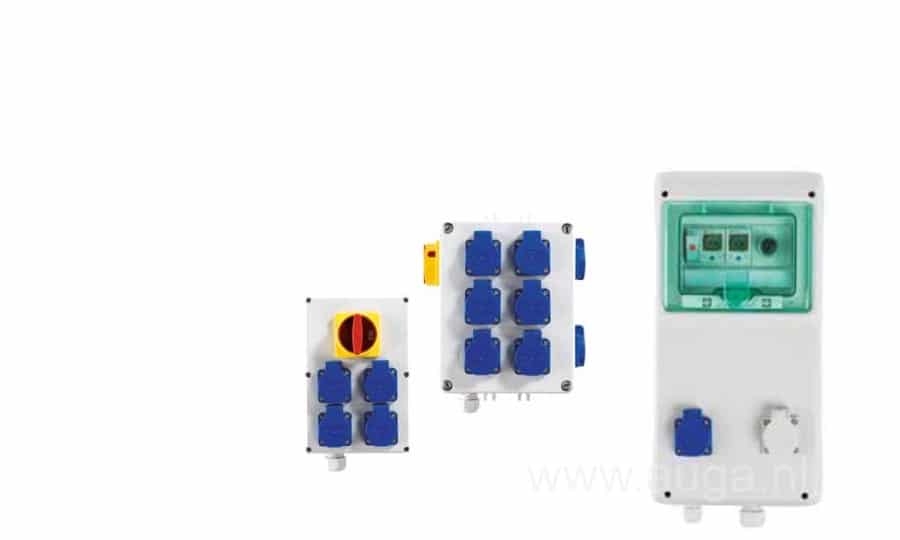
Unfortunately, we still encounter malpractices in practice. Think of 230 V pumps placed in the swamp zone of the swimming water, or electrical devices that are not or insufficiently grounded. This is really not allowed.
It even happens that there is no connection to a residual current device, which shuts off grounded devices in case of a possible leakage current.
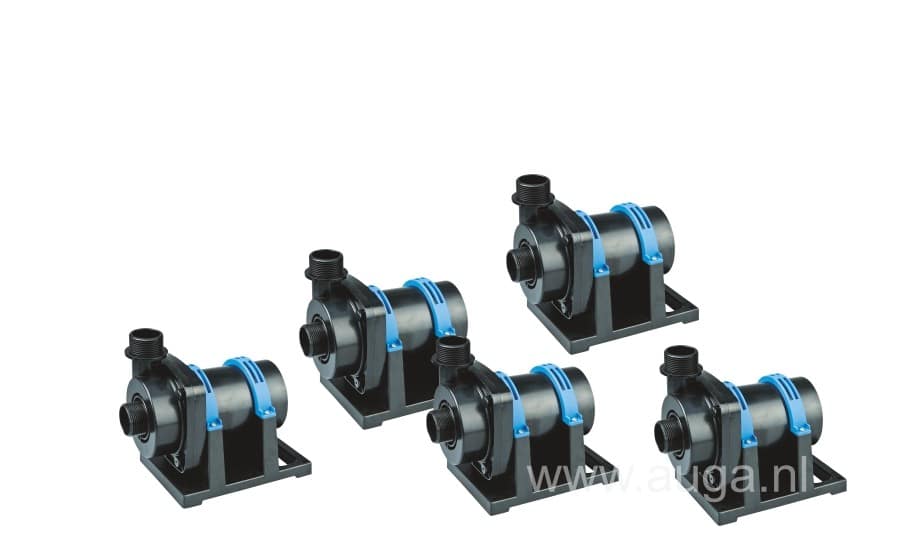
230 V pumps must be placed outside the swimming pond; in Germany, they already have clear rules for that. The well-known testing institute VDE prescribes at least 2 meters distance from the water side.
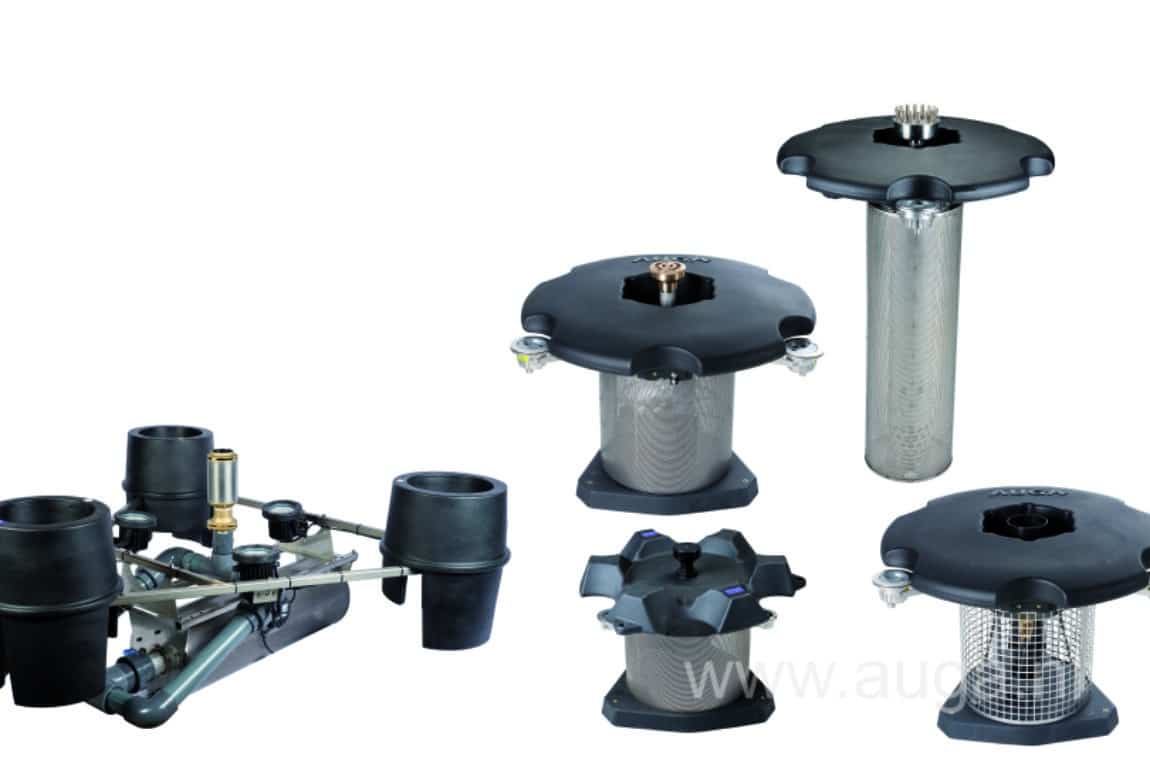
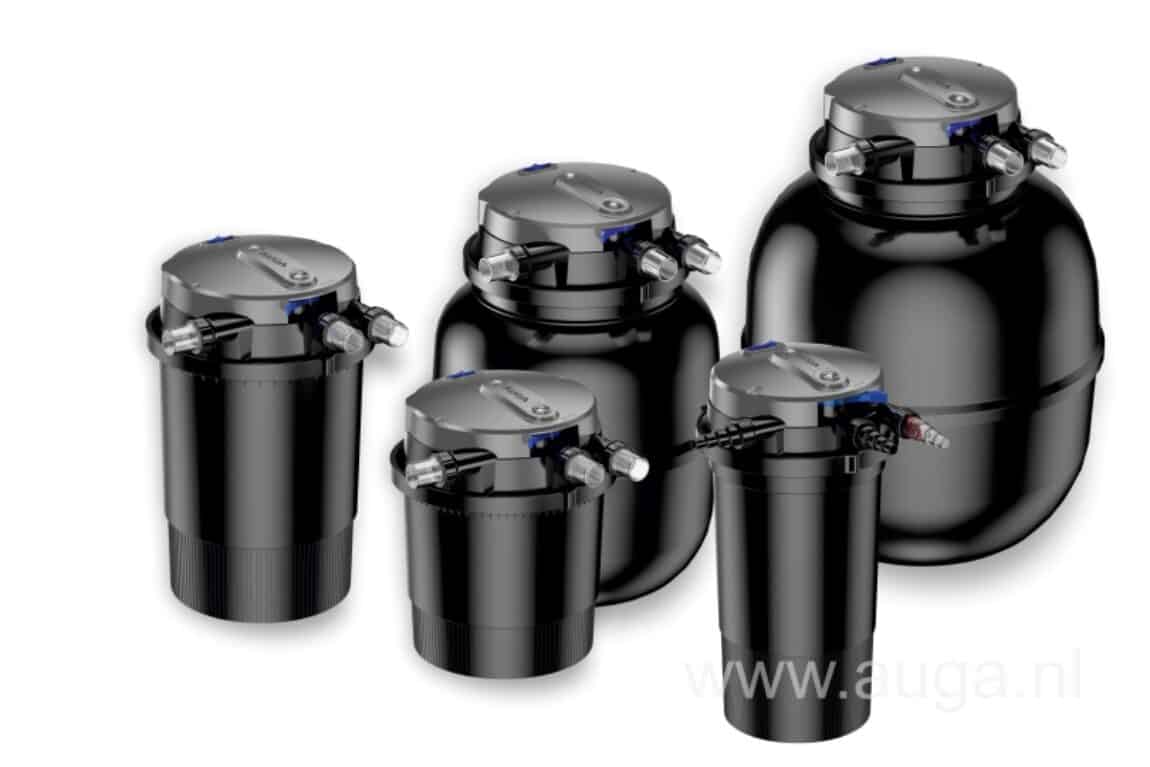
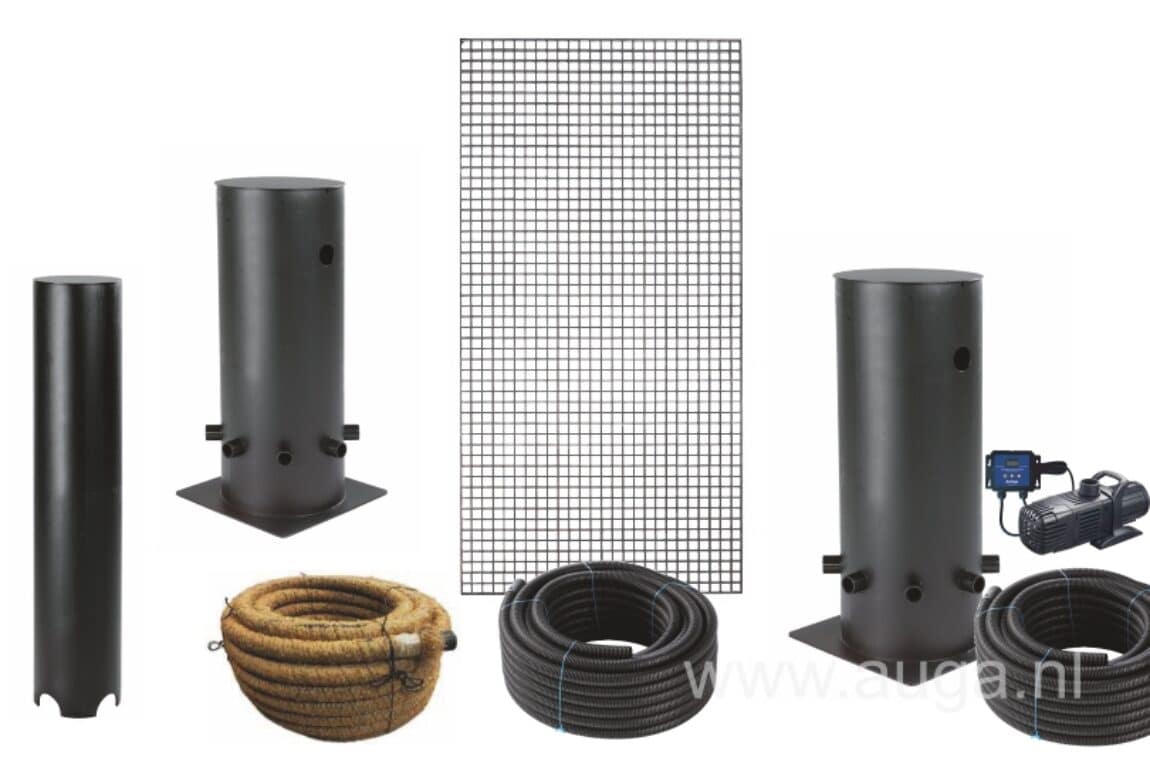
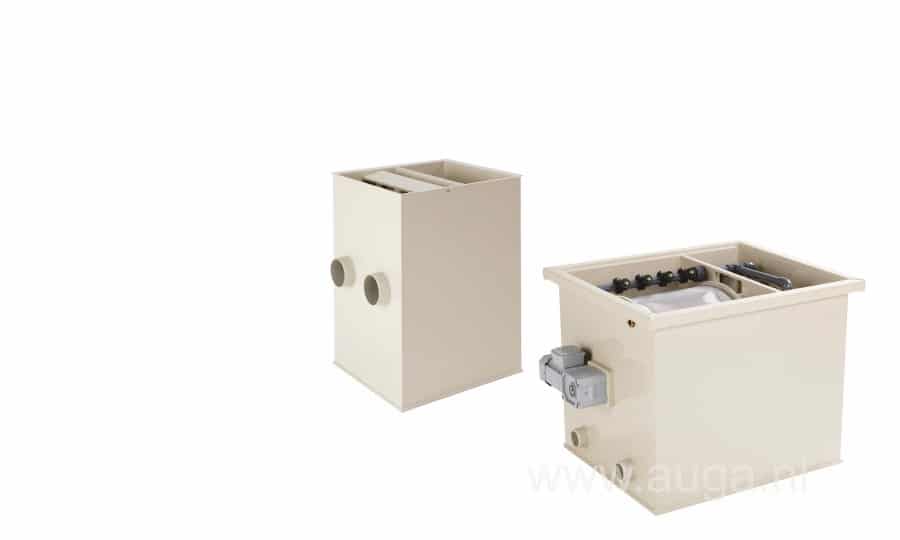
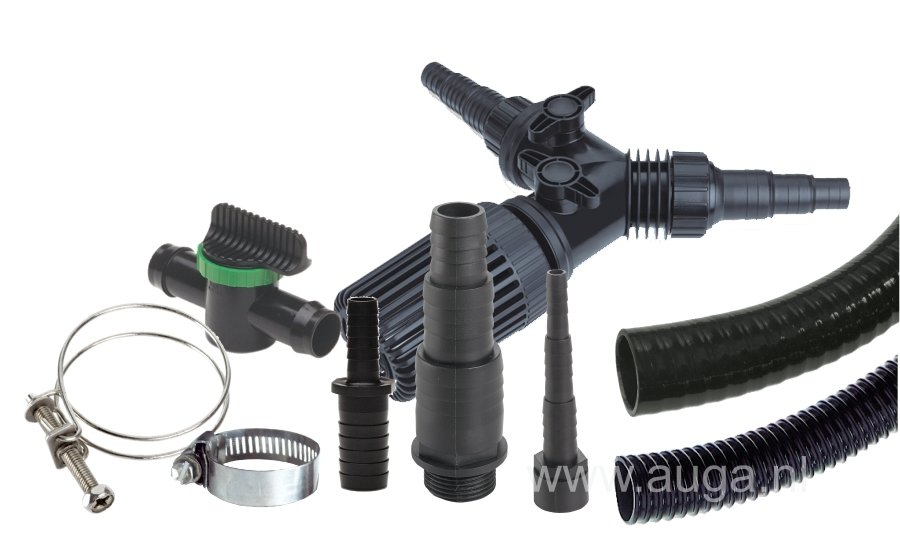
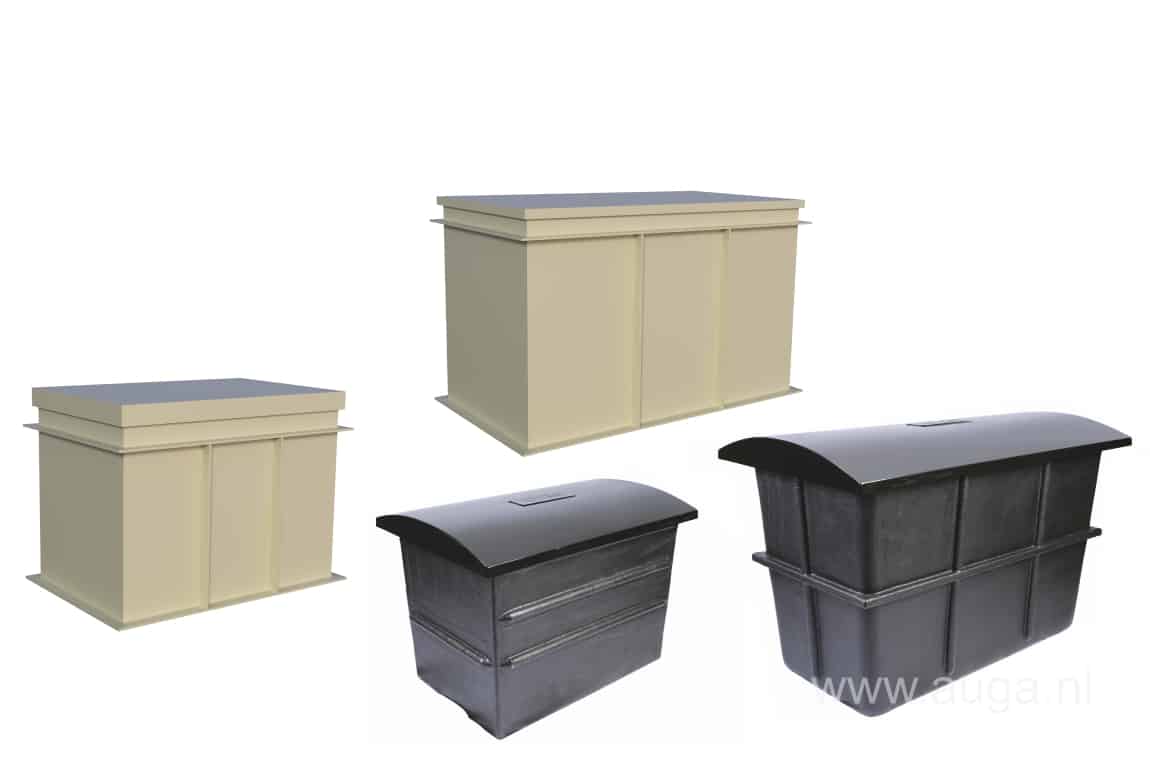
AUGA supplies complete assembled filter pits, which naturally make the installation work a lot easier, with all technology installed safely and according to the rules.
The easy alternative
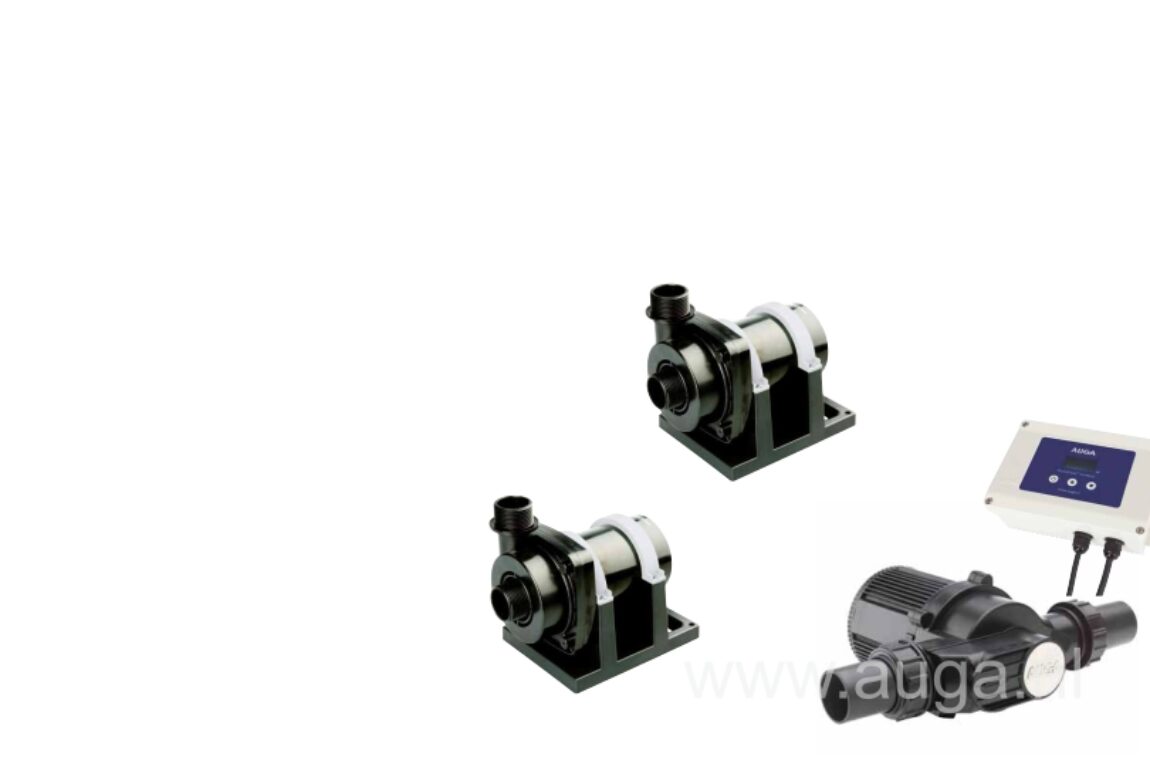
It can be even simpler by using 12 V low-voltage pumps. They can indeed be placed in the swimming pond.
The helophyte filter is the most suitable place for that. The 12V pump is placed in a so-called ‘drain collector.’ Drainage hoses are connected to it, which lie at the bottom of the filter bed and pump the pond water – which flows through the filter bed – back into the pond completely biologically purified.
This system is readily available from AUGA. In fact, a Down-Flow filter system has already been created, and you have a well-functioning and cost-conscious system with a minimum of technical aids. Nature is approached as closely as possible.
When the groundwater level rises
In our low-lying country, this is quite a theme. Rising groundwater can become a concern due to heavy rainfall if not taken into account beforehand.
Prefabricated filter pits are easy to place, but they must be anchored to a concrete foundation if the groundwater level rises too high. The foundation is the counterweight between rising water and the filter pit. The size of the foundation must be matched to the size of the pit to eliminate upward water pressure.
Without a foundation, a pit will be pushed up during high water and damage can occur to the connected pipes.
Clear and healthy water
Water quality is another aspect; in public swimming pools, swimming water is constantly monitored to ensure the health of the user. In the private world, this is not the case. The owner of a swimming pond must figure that out themselves.
Here lies a nice task for the specialist. Although a naturally purified swimming pond does not use chlorine or other chemical agents, periodic checking of swimming pond water is certainly desirable.
Waste materials are biologically converted by (Aerobic) bacteria into nutrients and are then absorbed by water plants in the helophyte filter. This cycle ensures clear and healthy swimming water.
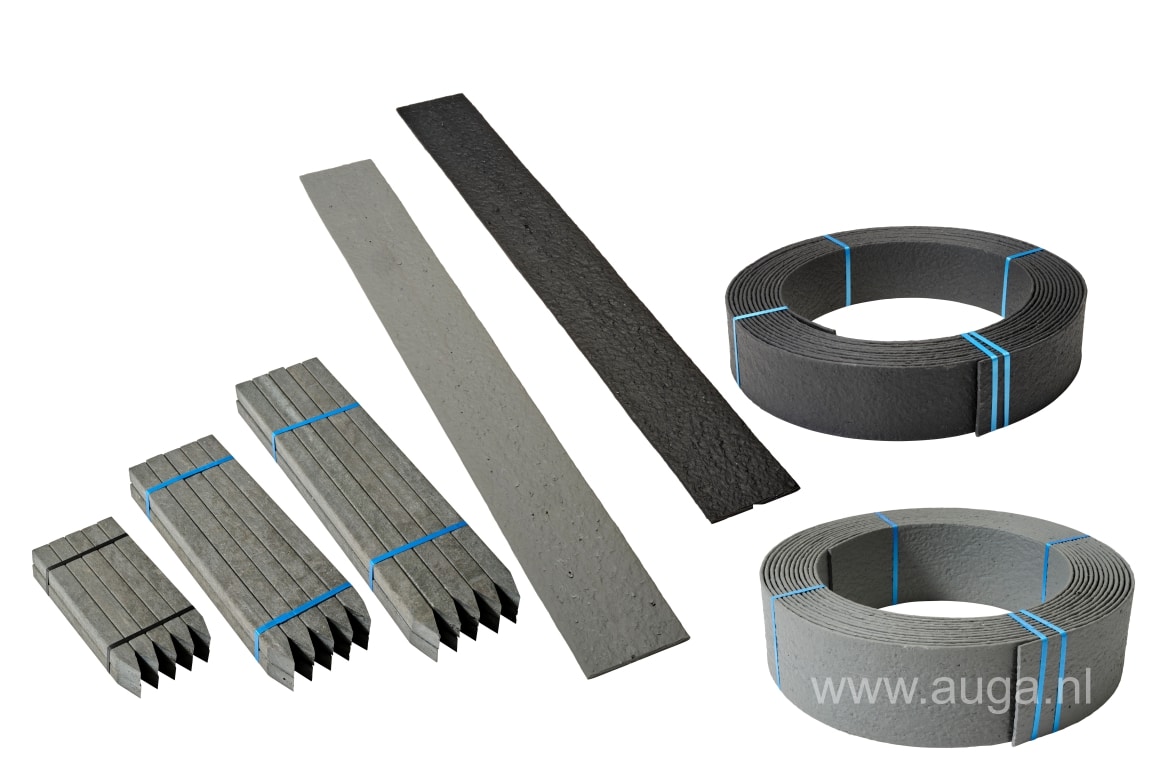
In practice, we see typical mistakes that unfortunately still occur too often; refilling the swimming pond with groundwater. Rainwater that carries nutrients from the garden into the pond because the pond edging is too low or completely absent. In both situations, the phosphate/nitrate level rises. Not good for the quality and clarity of the water.
Filter methodologies
In addition to the cheaper, widely used Down-Flow filter system – where water is drawn off via the helophyte filter – swimming ponds are also built with an Up-Flow helophyte system.
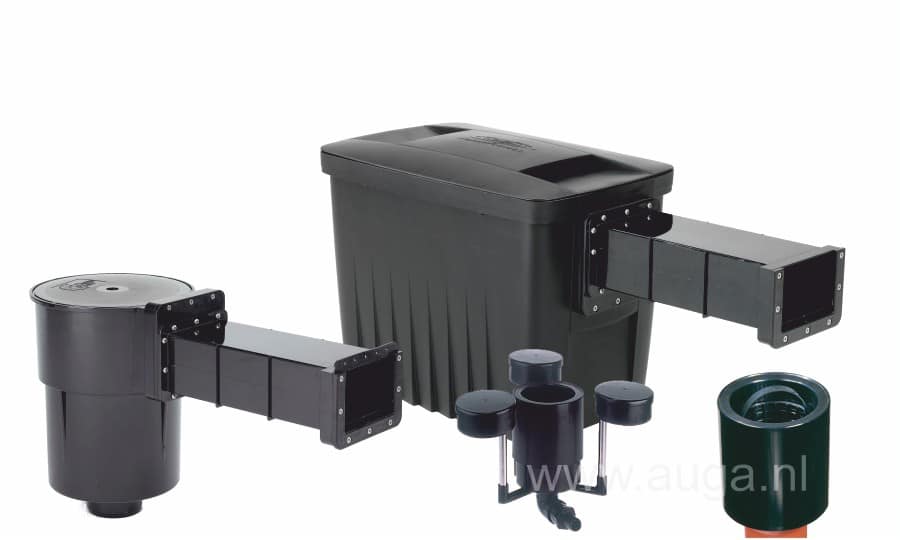
Swimming pond water is drawn in at multiple locations with skimmers, wall and bottom drains, and pumped through a pre-filter at the bottom of the helophyte filter. The plant filter is thus less burdened than a Down-Flow filter and can be made significantly smaller.
This is a solution if space in the garden is limited and reduces maintenance. Proper aeration is a more important factor here.
Even wind direction is taken into account to optimally utilize the applied filter technology. Floating debris blows directly to the filter system before it can sink.
Periodic maintenance
Technology requires maintenance; here too, a task lies with the specialist.
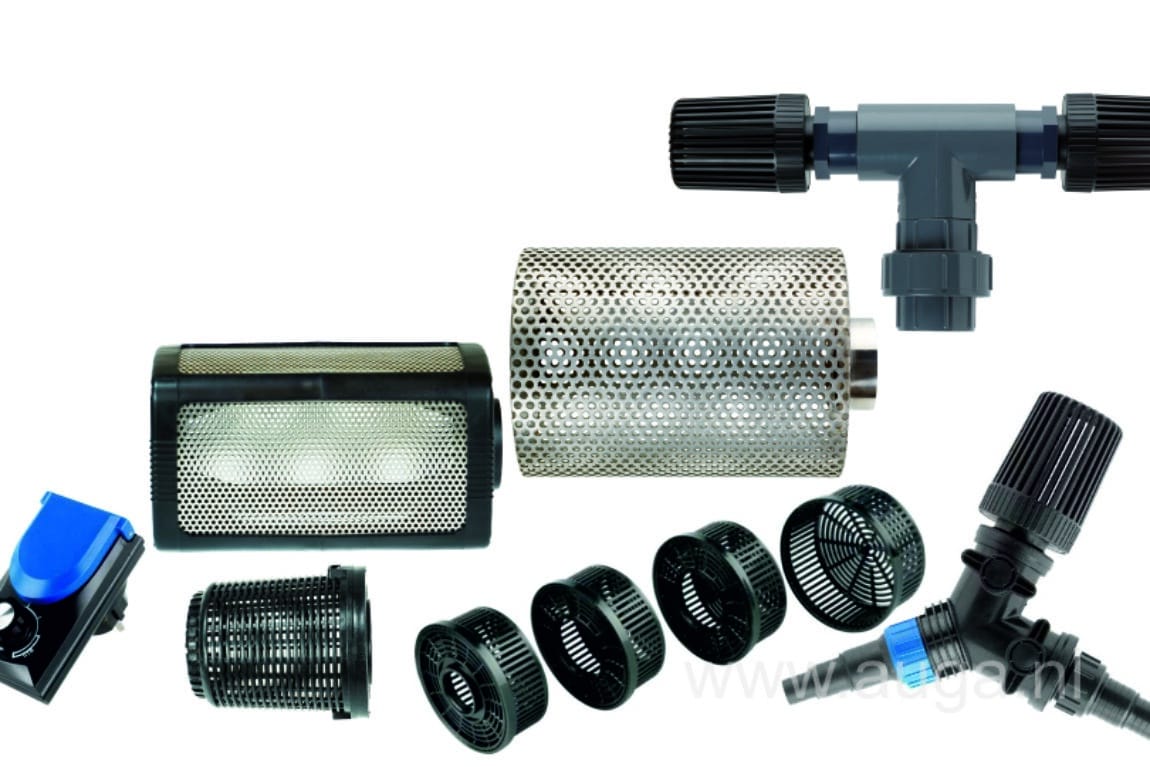
It sometimes happens that the water circulation gets disrupted due to heavily soiled arc sieves or clogged skimmer baskets. In practice, these baskets are removed for cleaning while the pump is still running. Convenient for quick maintenance, but not without risk!
A frog that gets stuck in the suction line is not pleasant for the frog and also not for water-carrying equipment, which can be damaged because the water supply stagnates. You can better prevent this by regularly checking and maintaining and turning off all technology!
Helping nature a bit
Water plants play the main role in the biological purification process. It is crucial that the right plants are present in the right numbers, as well as the choice and volume of the filter material to optimally clean and keep the swimming pond clear.
Properly and timely maintaining water plants and regularly measuring water values are important components within the maintenance process of a swimming pond to always maintain healthy, clear water and water enjoyment.
What you don’t think of quickly
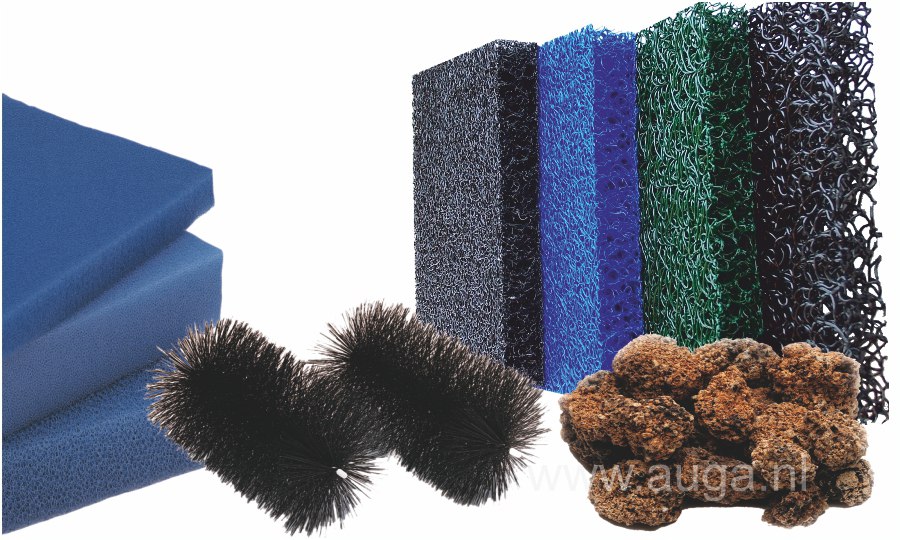
Unwashed filter material releases a lot of grit in the initial period, which floats in the water. You recognize it by cloudy water when starting the new swimming pond. The grit particles are very hard and can damage the internal parts of a pump. Always use washed filter material from a specialized supplier.
Finally
If this information makes you think, we have already achieved something; we support our customers with our knowledge and products, but it is your project. When in doubt, it is certainly advisable to outsource your project to a specialist; everyone has their own expertise.
Want to know more: contact AUGA